
This series features expert-led, action-oriented explainers focused on key finance topics. The series is intended to help leaders learn about the topic, apply proven practices, and access hands-on tools that can strengthen their approach. Learn more about the series here.
According to the United Nations Framework Convention on Climate Change (UNFCCC): “Adaptation means the process of adjustment to actual or expected climate and its effects. In human systems, adaptation seeks to moderate or avoid harm or exploit beneficial opportunities; in some natural systems, human intervention may facilitate adjustment to expected climate and its effects.” (UNFCCC, 2023) Although the UNFCCC provides a standard baseline definition, climate adaptation can be defined and operationalized across states and local governments based on a range of factors that include, but are not limited to, the context, governance and legal framework, project sectors impacted by climate risk, and others.
"Adaptation seeks to moderate or avoid harm or exploit beneficial opportunities; in some natural systems, human intervention may facilitate adjustment to expected climate and its effects."
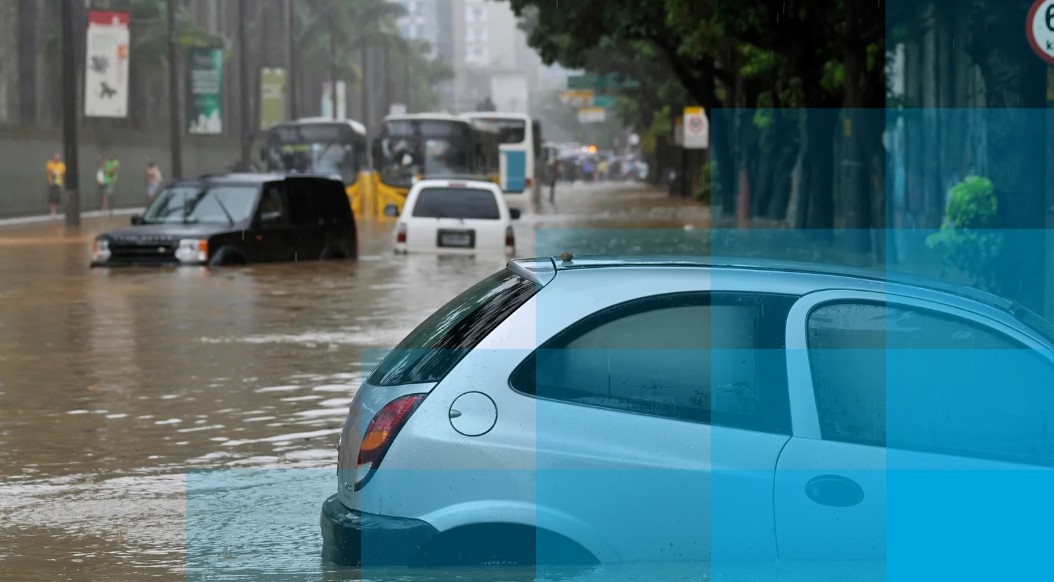
A coastal government implementing a climate adaptation project to reduce flooding and storm surge risks could focus its strategy on restoring wetlands, elevating critical infrastructure, and installing green stormwater systems like permeable pavements and bioswales. Such projects are often tailored to local conditions including sea-level rise projections, aging drainage systems, the character and condition of road infrastructure, and other factors. By combining natural infrastructure with targeted upgrades to roads, utilities, and public facilities, governments undertaking climate adaptation efforts to address flood risk are often focused on protecting vulnerable neighborhoods, reducing long-term disaster recovery costs, and improving overall resilience to more frequent and severe climate events.
Governments often fund climate adaptation through a combination of public finance strategies, including pay-as-you-go from intergovernmental grants, own-source revenues from taxes, charges, fines, and fees. In the U.S., for example, there are dedicated programs administered by agencies like the Federal Emergency Management Agency and Department of Housing and Urban Development that support state and local governments with upfront capital for projects like levees, stormwater systems, and climate-resilient housing, as well as post-disaster recovery funds that can be used to rebuild more resiliently. Many governments also fund climate adaptation projects via the sale of municipal bonds or the use of insurance-based mechanisms and securities to transfer risk and generate financing tied to reduced disaster losses.
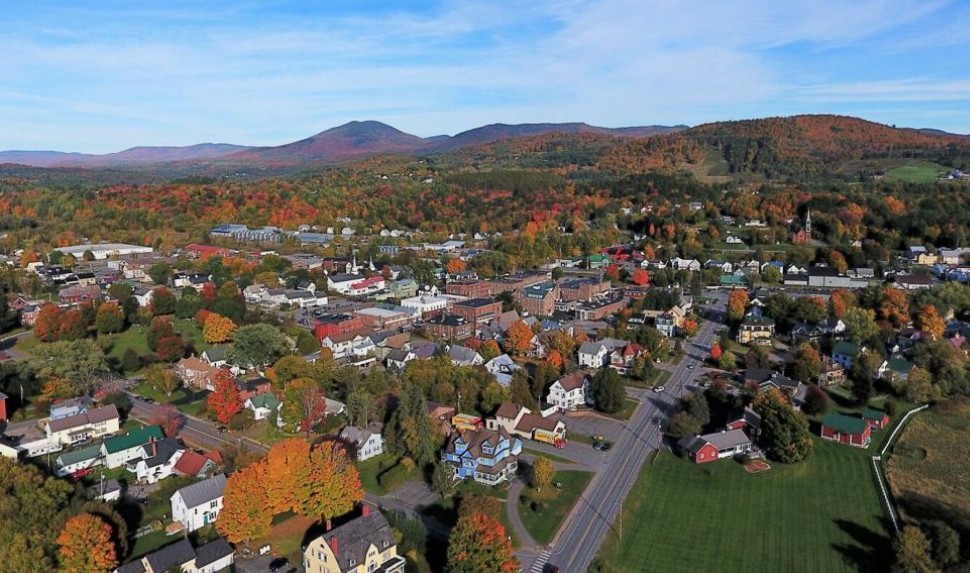
Since 2022, local governments across Vermont have experienced more than $240 million in flood-related damages, placing enormous financial pressure on small and rural communities. In Lyndon alone, flooding in 2024 caused an estimated $18 million in damages- roughly six times the town’s annual highway budget. In response, the Vermont Bond Bank has expanded its role in supporting climate adaptation by coordinating low-cost financing for infrastructure projects designed to reduce risks from extreme weather. One key initiative is the Municipal Climate Recovery Fund (MCRF), created in partnership with the Vermont State Treasurer’s Office to help communities plan, design, and invest in resilience improvements before disasters occur. To date, the MCRF has provided more than $33 million in low-interest loans to local governments, including a $4 million loan to Lyndon. Vermont stakeholders are also building the technical tools and local capacity needed to strengthen resilience statewide. For example, the Vermont Agency of Transportation developed a Resilience Planning Tool that helps communities assess and model flood risks to better inform infrastructure and adaptation decisions.
This resource was created for educational purposes only as part of the Rural & Small Cities Program, with the support of the Robert Wood Johnson Foundation. The views and perspectives presented in this resource are those of the author and the Public Finance Initiative team. The Public Finance Initiative acknowledges staff members Lourdes German, Katy Hansen, Richard Figueroa, Haley Mulligan and Peter Hamlin for their contributions to this resource.

